

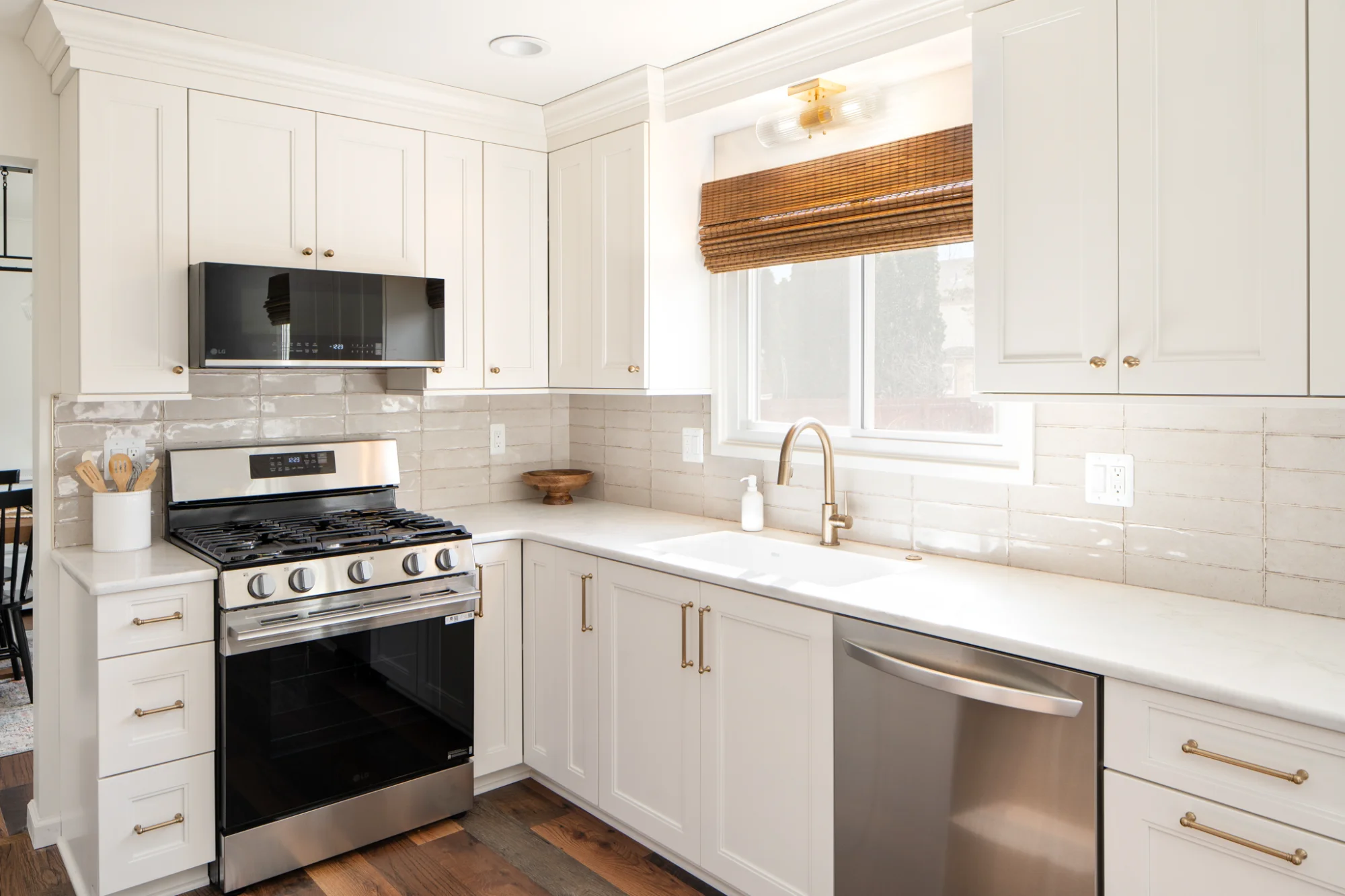
A homeowner's guide to prioritizing projects, planning a budget, and preparing for a smoother renovation in 2027.
As the year comes to a close, many homeowners start thinking about what they would like to change about their homes. Perhaps the kitchen no longer suits the family's routines, the bathroom needs an update, or the layout of the main living areas feels less practical than it once did.
November can be a useful time to begin planning these improvements. Rather than rushing into decisions when the new year arrives, you can use the final months of the year to identify priorities, explore design ideas, establish a budget, and discuss potential project timelines.
If you're considering a home renovation in Plymouth or the surrounding Metro Detroit area, here's how to prepare for a more organized start to 2027.
Before deciding which room to renovate, take a step back and consider how your home works for you today.
A home may look attractive but still create everyday frustrations. Perhaps the kitchen lacks preparation space, the bathroom offers limited storage, or the living areas no longer accommodate the way your family spends time together.
Start by making a list of the issues you would most like to resolve.
Consider questions such as:
Once you've identified these concerns, group them by priority. Separate problems that affect everyday comfort from improvements that are primarily cosmetic.
This exercise helps you approach your renovation with a clearer purpose and makes it easier to evaluate which projects offer the greatest value to your household.
It is natural to have several ideas for improving your home, but not every project needs to happen at once.
If you are considering multiple renovations in 2027, think about how they relate to one another and whether completing them in a particular order would be more practical.
For example, if you want to update both your kitchen and adjacent living area, considering the two spaces together may help you make more cohesive design decisions. Similarly, if a bathroom needs attention because of an existing leak or persistent moisture issue, addressing the underlying problem should take priority over purely decorative changes.
Common projects worth evaluating include:
Kitchen remodeling: Consider whether your current layout, cabinetry, countertops, lighting, and storage support the way you cook and entertain.
Bathroom remodeling: Look at the condition of your fixtures, the functionality of the shower, available storage, and any maintenance concerns.
Whole-home renovations: If several rooms need updates, consider whether a coordinated plan could improve the overall flow and consistency of your home.
Laundry rooms and mudrooms: These spaces can often benefit from better organization, durable materials, and storage designed around everyday routines.
The right priorities will depend on your home's condition, your budget, and the changes that would make the biggest difference to your daily life.
Budget planning is one of the most important steps to complete before committing to a renovation.
Start by determining how much you are comfortable investing in the project. Then consider the different elements that may contribute to the total cost.
Depending on the scope, these may include design services, labor, materials, cabinetry, fixtures, permits, and any necessary plumbing, electrical, or structural work.
It is also wise to discuss a contingency allowance with your remodeling team. Existing homes can reveal unexpected conditions once work begins, and having a financial buffer can help you prepare for unforeseen expenses.
As you develop your budget, distinguish between features you consider essential and upgrades that would be nice to have.
For example, you may prioritize a functional kitchen layout and quality cabinetry before investing in specialty lighting or premium decorative finishes. Establishing these priorities early makes it easier to compare options without losing sight of the project's main goals.
A realistic budget should reflect not only what you want to spend, but also the work required to achieve the finished result.
Once you have identified your priorities and budget, you can start exploring how you want your renovated space to look and function.
Collect inspiration from projects you admire, but look beyond appearances. Pay attention to layouts, storage solutions, lighting, material combinations, and the details that make a space practical.
You may want to create a simple collection of ideas for each room, noting which features are essential and which are optional.
For a kitchen, that might mean comparing cabinet styles, countertop materials, island layouts, and appliance configurations. For a bathroom, you might explore shower designs, vanity storage, flooring, and lighting.
It is also important to consider how the new design will relate to the rest of your home. A renovation should feel intentional rather than disconnected from the surrounding rooms.
Starting this process early gives you time to evaluate options and make informed decisions instead of choosing materials under pressure once construction is approaching.
One of the most common planning mistakes is assuming that construction can begin as soon as a design idea is finalized.
In reality, a renovation involves several stages, and the time required varies according to the project's complexity.
A typical process may include:
Some projects can move through these stages relatively quickly, while others require more extensive design work, coordination, or approvals.
Material availability and contractor scheduling can also affect the timeline. If you hope to have a renovated kitchen ready for summer entertaining or want to update your bathroom before the end of the year, communicate your preferred dates early.
Rather than choosing a construction start date first, discuss the complete process with your remodeling team to establish a realistic schedule.
If several areas of your home need attention, it may be worth considering how those renovations fit together.
For example, homeowners planning a kitchen renovation may also be considering new flooring in the adjacent dining area. Coordinating these decisions can help create a consistent design and clarify how the different parts of the project relate to one another.
However, combining projects is not automatically the best choice. It may increase the overall budget, extend the construction period, and require more decisions upfront.
The key is to understand which improvements are genuinely connected and which can be completed independently.
A coordinated approach may be useful when projects share materials, layouts, utilities, or design elements. Separate projects may make more sense when the budget, timing, or household's needs require a more gradual approach.
Discussing these possibilities during the planning stage can help you make a decision that fits your circumstances.
Renovations affect more than the room being updated. Depending on the project, they can change how you cook, shower, work, relax, and move through your home.
Before construction begins, think about how you will manage these temporary changes.
If your kitchen will be unavailable, you may need a temporary meal preparation area. If your only full bathroom is being remodeled, discuss access to essential facilities with your contractor before work starts.
For larger projects, you may also need to consider furniture storage, pets, children, working from home, and access to different parts of the house.
Ask your remodeling team which areas will be affected, what the expected work schedule looks like, and how they will communicate updates.
Planning these practical details in advance can help reduce avoidable stress and make it easier to manage the renovation alongside your usual routines.
The team you choose can have a significant impact on how your renovation is planned and carried out.
Look for a company that takes time to understand your goals, explains the scope of work clearly, and communicates expectations around costs, scheduling, and project coordination.
Ask how the design process works, who will manage the construction, and how questions or changes will be handled once work is underway.
It is also worth discussing how design decisions, material selections, and construction planning are coordinated. When these elements are considered together, it can be easier to identify potential issues before they become costly changes.
Stella Design & Remodel uses a design-build approach that brings design and construction planning together. For homeowners in Plymouth and surrounding Metro Detroit communities, this can provide a structured starting point for exploring kitchen renovations, bathroom updates, and broader home remodeling projects.
A consultation can help establish whether the proposed scope, budget, and timeline are a suitable match for your goals.
You do not need to have every design detail finalized before the new year. However, beginning the conversation in November can give you more time to organize your ideas and understand what your project may involve.
Use the coming weeks to:
This preparation can help you enter 2027 with a clearer idea of what you want to accomplish.
It is important to remember that starting early does not guarantee a particular construction date. Availability, project complexity, material lead times, and approvals can all affect scheduling. The purpose of early planning is to make informed decisions and understand the process before committing.
If you hope to renovate in 2027, beginning the planning process in late 2026 is a practical starting point. The amount of lead time you need depends on the project's size, design requirements, material selections, approvals, and contractor availability.
Start with issues affecting safety, maintenance, or everyday functionality. Then consider which design improvements would make the greatest difference to your household. Your budget and long-term plans should help determine the order of projects.
Costs vary significantly depending on the room, project scope, materials, labor, and existing conditions. Request a detailed estimate based on your specific plans, and discuss an appropriate contingency allowance before committing to the work.
It depends on your budget, timeline, and how closely the projects are connected. Coordinating related spaces may help create a more cohesive design, while completing projects separately can spread costs and disruption over time.
There is no single timeline for every project. A renovation's duration depends on design complexity, construction requirements, material availability, approvals, and scheduling. Ask your remodeling team to outline the anticipated planning and construction stages for your specific project.
Bring a list of your priorities, an initial budget range, inspiration images, and an idea of when you would like the work completed. It is also helpful to identify existing problems and explain how you want the finished space to function.
A successful renovation begins well before construction. By identifying your priorities, setting a realistic budget, exploring design options, and understanding the timeline, you can approach your next project with greater clarity.
Whether you are considering a kitchen transformation, a bathroom update, or a broader renovation, early planning gives you time to evaluate the options and make decisions that support the way you want to live.
Thinking about renovating in 2027? Stella Design & Remodel works with homeowners in Plymouth and surrounding Metro Detroit communities to plan and create spaces that balance thoughtful design, functionality, and craftsmanship.
Contact Stella Design & Remodel to discuss your renovation goals and start planning your next project.